
Introduction
The Journey of Creating Premium Fashion Wear is much more than just clothing. Behind every premium fashion garment lies a long journey of creativity, craftsmanship, innovation, and attention to detail. When people purchase premium fashion wear, they are not simply buying a shirt, jacket, or pair of trousers—they are investing in quality, comfort, durability, and design.
Many people see the finished product displayed in stores or online and never think about the process behind its creation. However, creating premium fashion wear involves several important stages, from the first design sketch to the final quality check. Every step requires careful planning and skilled professionals working together to create clothing that meets high standards.
In this guide, we will explore the complete journey of creating premium fashion wear. The content is written in simple language so that even a Class 10 student can easily understand how premium clothing is made and why it is valued around the world.
What Is Premium Fashion Wear?
Premium fashion wear refers to clothing made with superior materials, expert craftsmanship, and thoughtful design. These garments are often designed to provide better comfort, durability, and style compared to regular clothing.
Premium fashion focuses on:
- High-quality fabrics
- Attention to detail
- Superior stitching
- Better fit
- Long-lasting performance
- Unique designs
Unlike fast fashion, premium fashion emphasizes quality over quantity.
The Importance of Quality in Fashion
Quality is one of the biggest factors that separates premium clothing from ordinary garments.
Benefits of premium-quality clothing include:
- Greater durability
- Improved comfort
- Better appearance
- Enhanced confidence
- Long-term value
While premium clothing may cost more initially, it often lasts much longer, making it a smart investment.
Finding Inspiration
Every premium fashion product begins with inspiration.
Fashion designers gather ideas from various sources, including:
- Nature
- Art
- Architecture
- Travel
- Culture
- Street fashion
- Historical fashion trends
Designers observe colors, patterns, shapes, and textures to create fresh and unique concepts.
For example, a designer might draw inspiration from ocean waves, mountain landscapes, or modern city life.

The Journey of Creating Premium Fashion Wear
The Journey of Creating Premium Fashion Wear is much more than just clothing. Behind every premium fashion garment lies a long journey of creativity, craftsmanship, innovation, and attention to detail. When people purchase premium fashion wear, they are not simply buying a shirt, jacket, or pair of trousers—they are investing in quality, comfort, durability, and design.
Researching Fashion Trends
Before creating new clothing collections, designers study current market trends.
They analyze:
- Consumer preferences
- Popular colors
- Fabric innovations
- Fashion forecasts
- Seasonal demands
Research helps brands understand what customers are looking for while maintaining their unique identity.
Premium brands often balance modern trends with timeless designs.
Sketching the Design
Once inspiration and research are complete, designers begin creating sketches.
Fashion sketches include:
- Clothing shape
- Fabric details
- Colors
- Measurements
- Design elements
These sketches serve as blueprints for the production process.
At this stage, designers experiment with different ideas before selecting the strongest concepts.
Choosing Premium Fabrics
Fabric selection is one of the most important parts of creating premium fashion wear.
The quality of fabric directly affects:
- Comfort
- Appearance
- Durability
- Performance
Popular Premium Fabrics
Cotton
Premium cotton is soft, breathable, and comfortable.
Linen
Linen is lightweight and ideal for warm climates.
Wool
Wool provides warmth and sophistication.
Denim
High-quality denim offers durability and timeless appeal.
Sustainable Fabrics
Many modern brands use:
- Organic cotton
- Recycled materials
- Eco-friendly fibers
These materials support environmental responsibility.
Creating the First Prototype
A prototype is the first physical version of a design.
The prototype allows designers to:
- Test the fit
- Evaluate comfort
- Assess appearance
- Identify improvements
Creating prototypes helps prevent mistakes before mass production begins.
Several prototypes may be created before the final design is approved.
Perfecting the Fit
Fit is one of the defining features of premium clothing.
Even the most beautiful garment will not perform well if it does not fit properly.
Designers carefully adjust:
- Length
- Width
- Sleeve measurements
- Shoulder placement
- Overall proportions
Multiple fitting sessions ensure the garment feels comfortable and looks flattering.
Selecting Colors and Finishes
Color selection plays a major role in fashion design.
Premium brands carefully choose colors that:
- Match current trends
- Reflect brand identity
- Appeal to customers
Popular premium fashion colors include:
- Black
- White
- Navy blue
- Beige
- Grey
- Earth tones
Finishing details such as buttons, zippers, and labels are also selected during this stage.
Pattern Making
Pattern making transforms a design sketch into production-ready templates.
Patterns guide the cutting process and ensure consistency.
Professional pattern makers use specialized tools to create precise garment pieces.
Accurate patterns are essential for maintaining quality standards.
Cutting the Fabric
Once patterns are finalized, fabric cutting begins.
Precision is critical during this process.
Incorrect cutting can lead to:
- Poor fit
- Fabric waste
- Production errors
Modern factories often use advanced cutting technologies for improved accuracy.

Skilled Craftsmanship
Craftsmanship is what truly separates premium fashion from ordinary clothing.
Experienced professionals carefully assemble each garment.
This stage includes:
- Stitching
- Seam construction
- Pocket placement
- Collar attachment
- Sleeve construction
Premium brands often use stronger stitching techniques to improve durability.
Quality Control
Quality control is one of the most important stages in premium fashion production.
Each garment undergoes detailed inspections.
Inspectors check:
- Stitching quality
- Fabric consistency
- Measurements
- Color accuracy
- Overall appearance
Any defects are corrected before products reach customers.
Branding and Packaging
After production is complete, garments are prepared for sale.
Premium brands focus heavily on presentation.
This includes:
- Custom labels
- Branded tags
- Premium packaging
- Sustainable packaging options
Packaging creates a memorable customer experience.

Behind the Scenes: How Premium Fashion Wear Is Made
Premium fashion wear is often associated with quality, comfort, and timeless design. When people buy premium clothing, they expect more than just a stylish appearance. They look for durable fabrics, excellent craftsmanship, and a garment that feels special every time it is worn. But have you ever wondered what goes into creating premium fashion wear? The process involves much more than simply designing and sewing clothes.
The journey begins with inspiration and design. Fashion designers spend time researching trends, studying customer preferences, and exploring creative ideas. Inspiration can come from nature, art, culture, architecture, or everyday life. Once an idea is developed, designers create sketches that serve as the blueprint for the final garment.
After the design phase, selecting the right fabric becomes a top priority. Premium clothing brands carefully choose high-quality materials such as cotton, linen, wool, and premium denim. These fabrics are selected not only for their appearance but also for their comfort, durability, and long-lasting performance. A premium garment starts with premium materials.
The next stage is creating a prototype. This is the first sample of the design and allows the team to evaluate the fit, style, and overall look of the garment. Adjustments are often made during this phase to ensure the clothing meets the brand’s quality standards. Small details such as stitching, pocket placement, and fabric texture are carefully reviewed.
Once the design is approved, skilled craftsmen and production teams begin manufacturing the garment. Attention to detail is essential during this process. Every seam, stitch, and finishing touch contributes to the final quality of the product. Premium fashion brands often invest more time in production to ensure that every piece meets high standards.
Quality control is another important step. Before clothing reaches customers, it undergoes thorough inspections to check for defects, measurement accuracy, and overall appearance. This process helps ensure consistency and customer satisfaction.
Modern premium fashion brands are also focusing on sustainability. Many companies are using eco-friendly materials, ethical production methods, and responsible sourcing practices. Consumers today appreciate brands that care about both quality and the environment.
In conclusion, creating premium fashion wear is a detailed journey that combines creativity, craftsmanship, and quality control. From the initial design concept to the final product, every stage plays a crucial role in delivering clothing that looks great, feels comfortable, and lasts for years. This dedication to excellence is what makes premium fashion truly stand out in the world of clothing.
The Role of Sustainability
Modern premium fashion increasingly emphasizes sustainability.
Brands are adopting responsible practices such as:
- Ethical manufacturing
- Eco-friendly materials
- Reduced waste
- Recycling programs
Consumers are becoming more conscious of environmental impact.
Sustainability is now a key part of premium fashion.
Why Premium Fashion Costs More
Many people wonder why premium clothing costs more than regular garments.
The answer lies in:
- Better materials
- Skilled labor
- Superior craftsmanship
- Rigorous quality control
- Sustainable production
These factors increase production costs but result in higher-quality products.
Benefits of Investing in Premium Fashion
Premium fashion offers several advantages.
Better Durability
High-quality garments last longer.
Greater Comfort
Premium fabrics feel better against the skin.
Improved Appearance
Quality clothing maintains its shape and color.
Long-Term Value
Fewer replacements are needed over time.
Challenges in Creating Premium Fashion Wear
Fashion brands face several challenges.
These include:
- Rising material costs
- Changing trends
- Sustainable production demands
- Global competition
Successful brands overcome these challenges through innovation and commitment to quality.
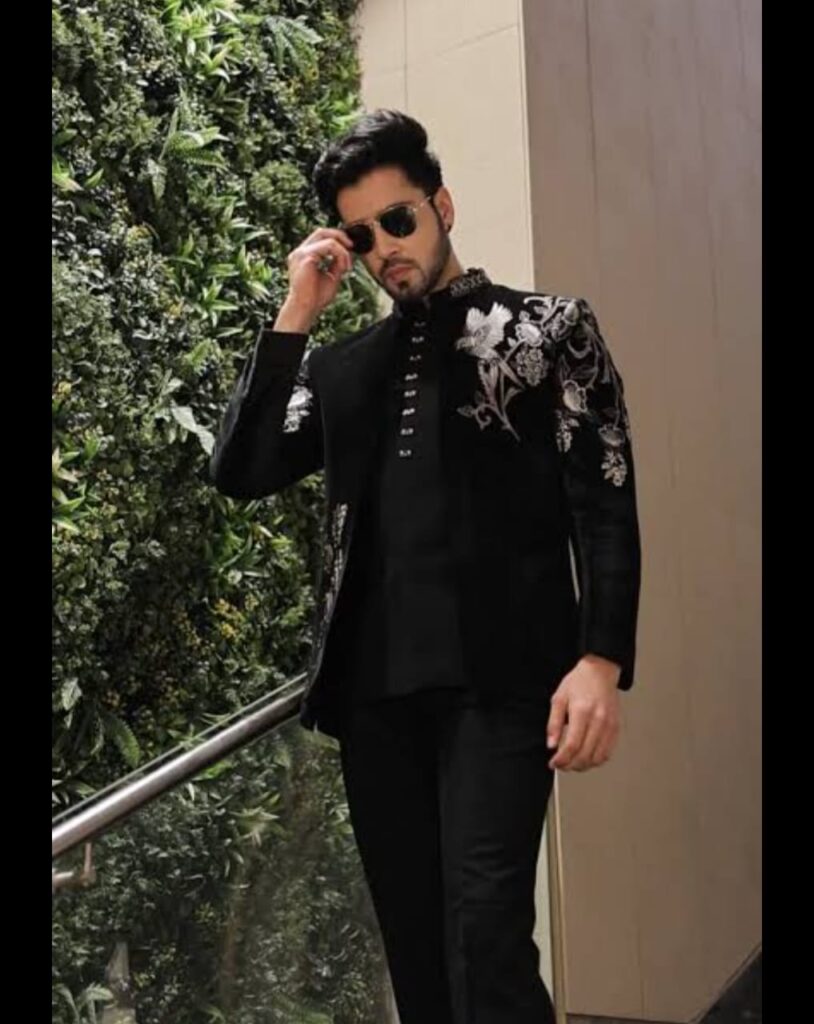
How Premium Fashion Wear Is Made
Premium fashion wear is often associated with quality, comfort, and timeless design. When people buy premium clothing, they expect more than just a stylish appearance. They look for durable fabrics, excellent craftsmanship, and a garment that feels special every time it is worn. But have you ever wondered what goes into creating premium fashion wear? The process involves much more than simply designing and sewing clothes Premium Fashion.
The Future of Premium Fashion
The future of premium fashion looks promising.
Emerging trends include:
- Sustainable materials
- Smart textiles
- Ethical manufacturing
- Digital fashion technology
Consumers increasingly value quality, transparency, and environmental responsibility.
Lessons We Can Learn from Premium Fashion
The journey of creating premium fashion wear teaches valuable lessons.
These include:
- Attention to detail matters
- Quality requires patience
- Creativity drives innovation
- Sustainability is important
- Craftsmanship creates value
These principles apply not only to fashion but also to many aspects of life.
Conclusion
The journey of creating premium fashion wear is a fascinating process that combines creativity, skill, technology, and dedication. From the first design sketch to the final quality inspection, every stage plays a crucial role in producing garments that meet high standards of comfort, durability, and style.
Premium fashion is about much more than appearance. It reflects careful planning, superior materials, expert craftsmanship, and a commitment to excellence. While these garments may cost more, their quality, longevity, and overall value often make them a worthwhile investment.
Understanding how premium fashion is created helps us appreciate the effort behind every piece of clothing. The next time you wear a well-made shirt, jacket, or pair of trousers, you will know the remarkable journey it took before reaching your wardrobe.