
Introduction
How to Layer Clothes Like a Professional Stylist Layering clothes is one of the most powerful fashion techniques used by professional stylists. It helps create stylish outfits, adds depth to your look, and allows you to stay comfortable in different weather conditions. While layering may seem complicated at first, it is actually very simple once you understand the basic rules. Whether you are dressing for winter, autumn, spring, or even cooler summer evenings, learning how to layer clothes can instantly improve your fashion sense.
Many people think layering is only about wearing multiple pieces of clothing. However, professional stylists use layering to create balance, contrast, texture, and personality in an outfit. A well-layered outfit can transform basic clothing items into a fashionable look that appears carefully planned and stylish.
This guide will teach you how to layer clothes like a professional stylist using simple tips that even a Class 10 student can easily understand and apply.
What Is Layering in Fashion?
Layering means wearing multiple pieces of clothing on top of one another in a way that looks intentional and stylish.
Examples include:
- Hoodie under a denim jacket
- T-shirt under an open shirt
- Shirt under a sweater
- Jacket over a sweatshirt
Layering helps create dimension and makes outfits more visually appealing.
Why Layering Is Important
Professional stylists use layering because it offers several benefits.
Adds Style
Even basic clothing becomes more fashionable when layered correctly.
Provides Comfort
Layering helps you adjust to changing temperatures.
Creates Versatility
The same clothing pieces can create multiple outfit combinations.
Expresses Personality
Layering allows you to mix different styles and create unique looks.
The Three-Layer Rule
Many fashion experts follow a simple three-layer system.
Base Layer
The base layer is the clothing closest to your body.
Examples:
- Plain T-shirts
- Tank tops
- Lightweight shirts
The base layer should be comfortable and breathable.
Middle Layer
The middle layer adds warmth and style.
Examples:
- Hoodies
- Sweaters
- Overshirts
Outer Layer
The outer layer completes the outfit.
Examples:
- Denim jackets
- Bomber jackets
- Coats
- Blazers
This layer provides structure and visual impact.
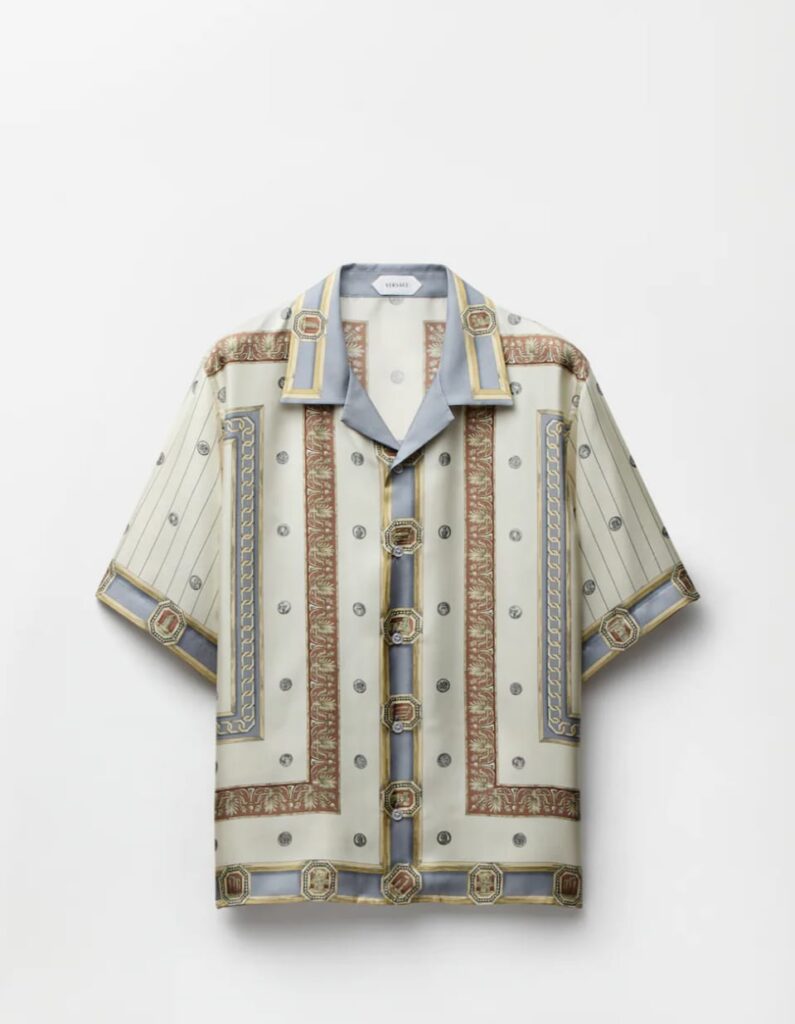
How to Layer Clothes Like a Professional Stylist
Layering clothes is one of the most powerful fashion techniques used by professional stylists. It helps create stylish outfits, adds depth to your look, and allows you to stay comfortable in different weather conditions. While layering may seem complicated at first, it is actually very simple once you understand the basic rules. Whether you are dressing for winter, autumn, spring, or even cooler summer evenings, learning how to layer clothes can instantly improve your fashion sense.
Start with Basic Clothing
Professional stylists often begin with simple pieces.
Wardrobe essentials include:
- White T-shirts
- Black T-shirts
- Grey T-shirts
- Denim jackets
- Hoodies
- Flannel shirts
- Neutral trousers
Simple clothing creates a strong foundation for layering.
Layering a T-Shirt and Shirt
One of the easiest layering combinations is a T-shirt under an open shirt.
Example Outfit
- White T-shirt
- Blue flannel shirt
- Black jeans
- White sneakers
This look is casual, stylish, and easy to wear.
Hoodie and Jacket Combination
The hoodie-and-jacket combination is one of the most popular layering styles.
Example
- Grey hoodie
- Denim jacket
- Black jeans
- Sneakers
This outfit provides warmth while maintaining a modern appearance.
Layering with Sweaters
Sweaters create smart and polished outfits.
Example
- White shirt
- Crew-neck sweater
- Chino trousers
This combination works well for:
- School events
- Family gatherings
- Casual meetings
Understanding Color Coordination
Color plays a major role in successful layering.
Neutral Colors
Neutral shades are easiest to layer.
Examples:
- Black
- White
- Grey
- Beige
- Navy Blue
These colors match easily with other pieces.
Add One Accent Color
Professional stylists often use one bold color while keeping the rest neutral.
Example:
- White T-shirt
- Navy jacket
- Olive trousers
Mix Different Textures
Texture adds interest to layered outfits.
Popular combinations include:
- Cotton T-shirt + denim jacket
- Hoodie + leather jacket
- Knit sweater + wool coat
Different textures make outfits look more sophisticated.
Don’t Make Layers Too Bulky
A common mistake is wearing too many thick layers.
Professional stylists recommend:
- Thin layers underneath
- Heavier layers outside
This creates a cleaner appearance.

Layering Tips That Instantly Upgrade Any Outfit
Layering is one of the most effective fashion techniques for creating stylish and versatile outfits. It allows you to combine different clothing pieces in a way that adds depth, texture, and personality to your look. While professional stylists use layering to create fashionable outfits for photo shoots and runway shows, the same principles can be applied to everyday clothing. With a few simple techniques, anyone can learn how to layer clothes and instantly improve their appearance.
The first step to successful layering is starting with a strong foundation. A basic T-shirt or lightweight shirt works perfectly as a base layer. Neutral colors such as white, black, grey, and navy blue are excellent choices because they can easily be matched with other clothing items. A well-fitted base layer creates a clean starting point for the rest of your outfit.
The second layer should add both style and function. Popular options include flannel shirts, overshirts, hoodies, and lightweight sweaters. These pieces help create visual interest while providing additional comfort. For example, a white T-shirt worn under an open checkered shirt creates a classic and timeless look that works for many casual occasions.
Outer layers are what truly complete a layered outfit. Denim jackets, bomber jackets, and lightweight coats are among the most versatile options. They add structure and make simple clothing combinations appear more polished and fashionable. A denim jacket layered over a plain T-shirt can instantly transform an ordinary outfit into something more stylish.
Color coordination is also important when layering clothes. Fashion experts often recommend sticking to neutral tones and introducing one accent color for balance. For example, a grey T-shirt, black jacket, and olive-green trousers create a modern and sophisticated combination. Avoid using too many bright colors at once, as this can make the outfit appear cluttered.
Another useful layering tip is to mix different textures. Combining cotton, denim, knitwear, and lightweight outerwear creates depth and makes an outfit more visually appealing. Professional stylists often use texture to add character without relying on bold patterns or excessive accessories.
Comfort should always remain a priority. Avoid wearing too many thick layers, especially if the weather is mild. Lightweight layers provide flexibility and make it easier to adjust your outfit throughout the day. The goal is to look stylish while feeling comfortable and confident.
In conclusion, layering is a simple yet powerful fashion technique that can elevate any outfit. By starting with basic pieces, choosing complementary colors, adding versatile outerwear, and mixing textures, you can create modern and fashionable looks for almost any occasion. Mastering these layering tips will help you make the most of your wardrobe while expressing your personal style with confidence.
Oversized Layering Trends
Oversized fashion remains popular.
Popular combinations:
- Oversized T-shirt + overshirt
- Oversized hoodie + bomber jacket
- Relaxed shirt + cargo pants
Oversized layering provides comfort and modern style.
Best Jackets for Layering
Denim Jackets
Denim jackets work with almost everything.
Bomber Jackets
Create a sporty appearance.
Leather Jackets
Add sophistication and edge.
Puffer Jackets
Perfect for colder weather.
Seasonal Layering Tips
Spring
Use lightweight layers.
Examples:
- T-shirt
- Open shirt
- Light jacket
Summer
Keep layering minimal.
Examples:
- T-shirt
- Lightweight overshirt
Autumn
Ideal season for layering.
Examples:
- Shirt
- Sweater
- Jacket
Winter
Focus on warmth.
Examples:
- Thermal shirt
- Hoodie
- Coat
Layering with Accessories
Accessories help complete layered outfits.
Watches
Add elegance.
Scarves
Provide warmth and style.
Caps
Perfect for casual outfits.
Sunglasses
Enhance outdoor looks.
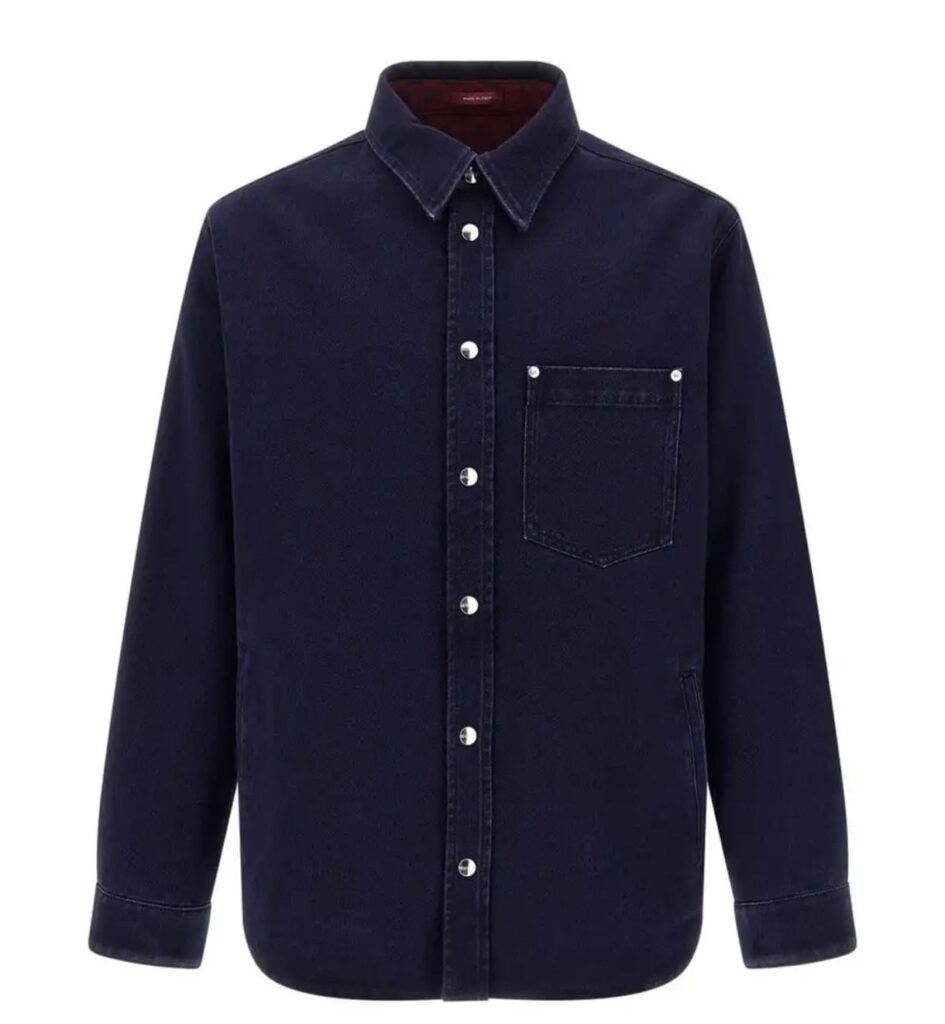
Master the Art of Layering for Effortless Everyday Fashion
Layering is one of the easiest ways to make an outfit look more stylish and interesting. Professional stylists use layering techniques to create outfits that have depth, balance, and personality. The good news is that anyone can learn how to layer clothes effectively without needing an expensive wardrobe. By combining a few basic pieces, you can create fashionable outfits that work for different seasons and occasions.
The foundation of a great layered outfit starts with a simple base layer. This could be a plain T-shirt, a lightweight shirt, or a basic top in a neutral color. Neutral shades such as white, black, grey, and navy blue work best because they can easily be paired with other clothing items. Once you have your base layer, you can add a second layer, such as an open button-down shirt, a hoodie, or a lightweight sweater.
The outer layer is what often gives the outfit its final touch. Denim jackets, bomber jackets, and overshirts are excellent options because they are versatile and easy to style. These pieces add structure and make a simple outfit appear more polished. For cooler weather, a coat or puffer jacket can be used as the final layer while still maintaining a fashionable look.
One important rule of layering is to avoid wearing pieces that are too bulky. Thin layers underneath and slightly heavier layers on top create a balanced appearance. This not only looks better but also feels more comfortable throughout the day.
Color coordination is another key factor. Professional stylists often use neutral colors as the base and add one accent color to create visual interest. For example, a white T-shirt, navy overshirt, and beige trousers create a clean and modern combination. Mixing different textures, such as cotton, denim, and knit fabrics, can also make an outfit more dynamic.
In conclusion, layering is a simple fashion technique that can dramatically improve your wardrobe. By starting with basic pieces, choosing complementary colors, and adding versatile outer layers, you can create stylish outfits with minimal effort. Whether you are dressing for school, travel, or a casual outing, mastering the art of layering will help you look confident, comfortable, and fashionable throughout the year.
Common Layering Mistakes
Wearing Too Many Layers
Too many layers create bulk.
Ignoring Fit
Every layer should fit properly.
Mixing Too Many Colors
Keep color combinations simple.
Choosing Similar Lengths
Different layer lengths create visual interest.
Layering for Different Occasions
Casual Outfit
- White T-shirt
- Open shirt
- Jeans
Smart Casual Outfit
- Button-down shirt
- Sweater
- Chinos
Streetwear Outfit
- Oversized T-shirt
- Hoodie
- Bomber jacket
Travel Outfit
- T-shirt
- Hoodie
- Lightweight jacket
Building a Layering Wardrobe
Start with essential pieces:
Tops
- White T-shirt
- Black T-shirt
- Grey T-shirt
Middle Layers
- Hoodie
- Sweater
- Overshirt
Outer Layers
- Denim jacket
- Bomber jacket
- Coat
These basics allow dozens of outfit combinations.
Professional Stylist Secrets
Fashion professionals often follow these rules:
Rule 1: Keep It Simple
Simple outfits often look best.
Rule 2: Focus on Fit
Good fit is more important than expensive clothing.
Rule 3: Use Neutral Colors
Neutral shades create timeless outfits.
Rule 4: Layer with Purpose
Every layer should contribute to the overall look.
Why Layering Improves Your Style
Layering helps you:
- Look more fashionable
- Create unique outfits
- Stay comfortable
- Use your wardrobe more effectively
Instead of buying more clothes, layering allows you to create new looks using items you already own.
Confidence Completes the Outfit
Even the best layered outfit needs confidence.
When you feel comfortable in your clothing:
- You look better
- You feel more confident
- Your outfit appears natural
Fashion is about expressing yourself while feeling comfortable.
Conclusion
Learning how to layer clothes like a professional stylist is one of the easiest ways to improve your wardrobe. Layering adds depth, personality, and versatility to your outfits while helping you adapt to different weather conditions. By starting with basic clothing, using neutral colors, mixing textures, and focusing on proper fit, anyone can create stylish layered looks.
Whether you choose a T-shirt and overshirt combination, a hoodie under a jacket, or a sweater layered over a shirt, the key is balance and simplicity. With practice, layering becomes an easy and effective way to create fashionable outfits for every season and occasion. By applying these professional styling techniques, you can make even the simplest clothes look modern, stylish, and well put together.